Malware is a combination of two English words: malicious or software, which means harmful code. Malware is malicious code/software that damages or disables computer systems, and often provides partial or complete control over systems for the purpose of theft or fraud. The functionality of malware can vary depending on its type and purpose. Here is a look at some of the typical features of malware:
Backdoor – Gives an attacker remote access to an infected system, allowing them to manipulate it and collect information.
Cryptocurrency mining – It uses the computing power of infected devices to mine cryptocurrency, increasing the load and electricity consumption.
Link to fraudulent websites – Impersonates genuine websites in order to obtain sensitive data from users.
Part of a botnet (robot network) – Inclusion in a botnet network allows attackers to coordinate various types of attacks from a large number of infected devices.
Downloading additional malicious code – Downloads and installs additional malicious code, expanding its capabilities and attack effectiveness.
Encryption and Ransomware – Encrypts important files on the target system and demands a ransom for their decryption.
Remote tool – Allows an attacker to remotely control an infected system and perform various activities, such as collecting data or spreading additional malware.
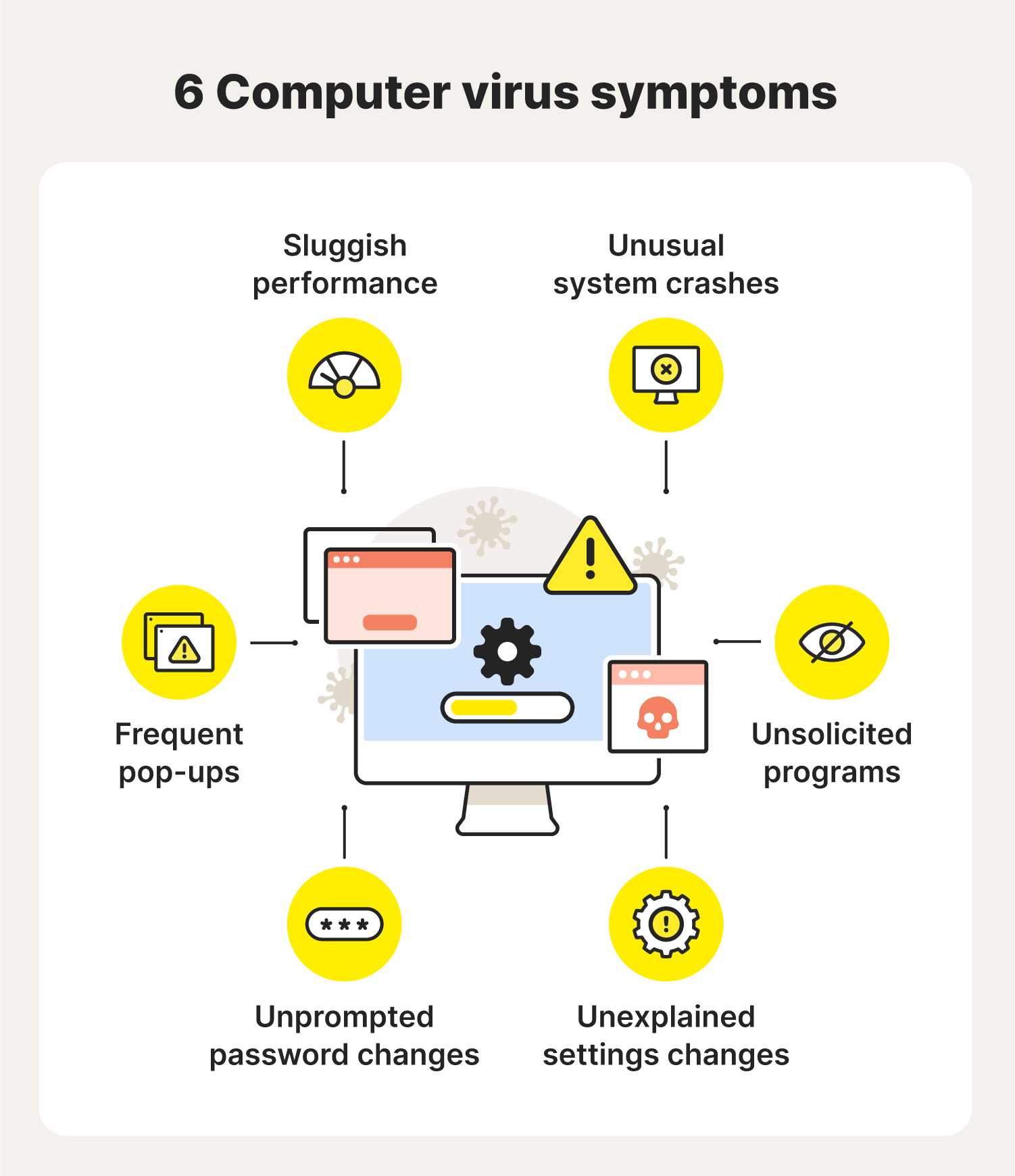
Most categories of malware do not show their activity outwardly. An exception is, for example, the displayed advertisement in the case of Adware or the information window about the ransom for data in the case of Ransomware. The presence of malware on a device can be confirmed by the following symptoms:
increased processor usage,
slow device or web browser speed, problems connecting to a computer network,
"freezing" of the operating system or its random restart,
the appearance of modified or deleted files, the appearance of strange files, programs or icons on the desktop,
starting, stopping, or changing the configuration of programs (malware often changes settings or disables antivirus protection and firewalls),